
Two products, different packing media
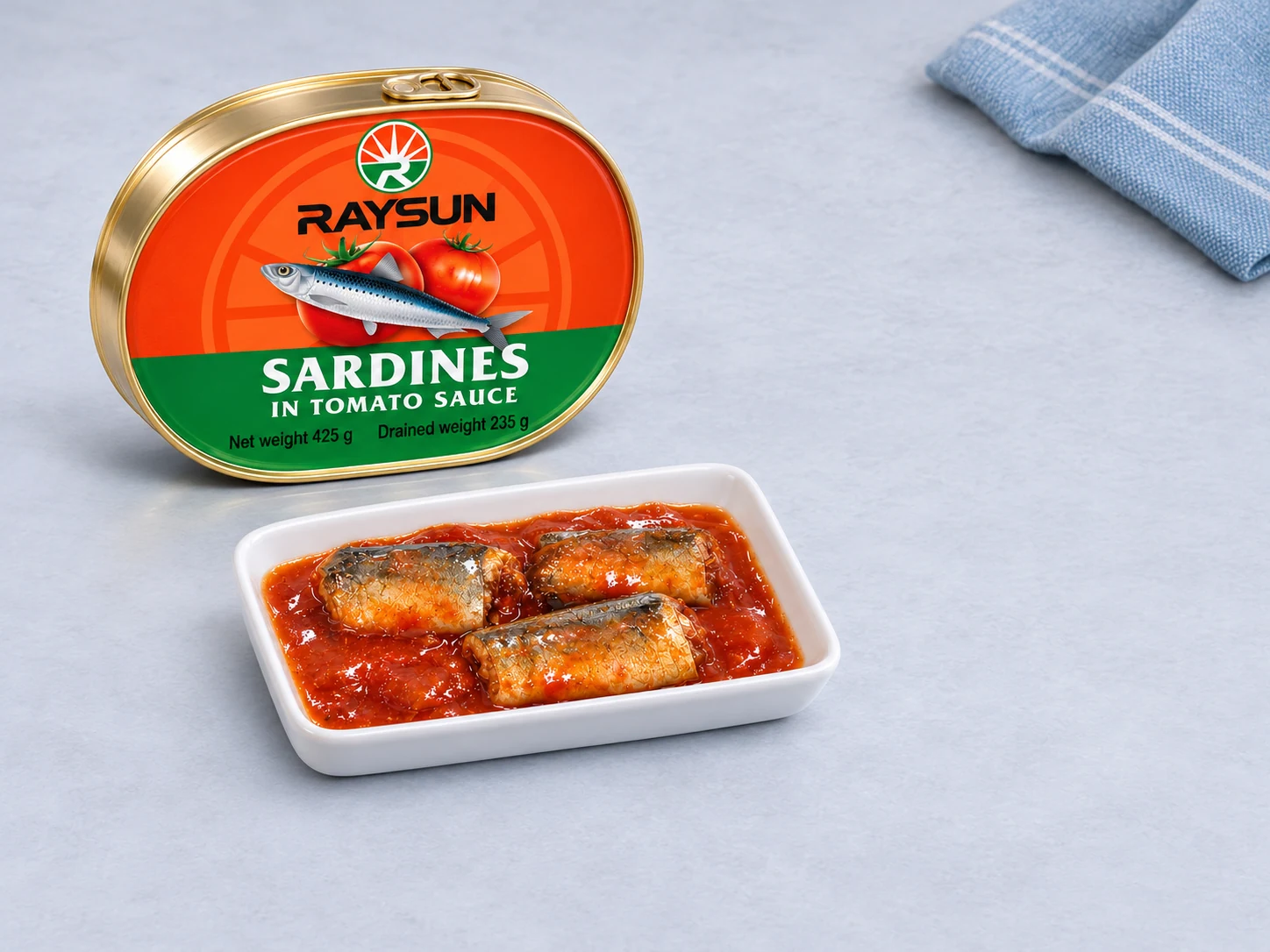
Canned Sardines in Tomato Sauce
Tomato-sauce sardines combine cooked fish with a tomato-based medium. Raysun Foods’ existing listing describes cooked fish pieces; its reference packs belong to that product. Confirm the intended fish presentation and complete sauce recipe. A tomato-sauce description does not establish sauce concentration, seasoning, a fixed fish count or a boneless or skinless preparation. The Codex sardine standard is a reference for product definitions; confirm the applicable naming rules for the destination.
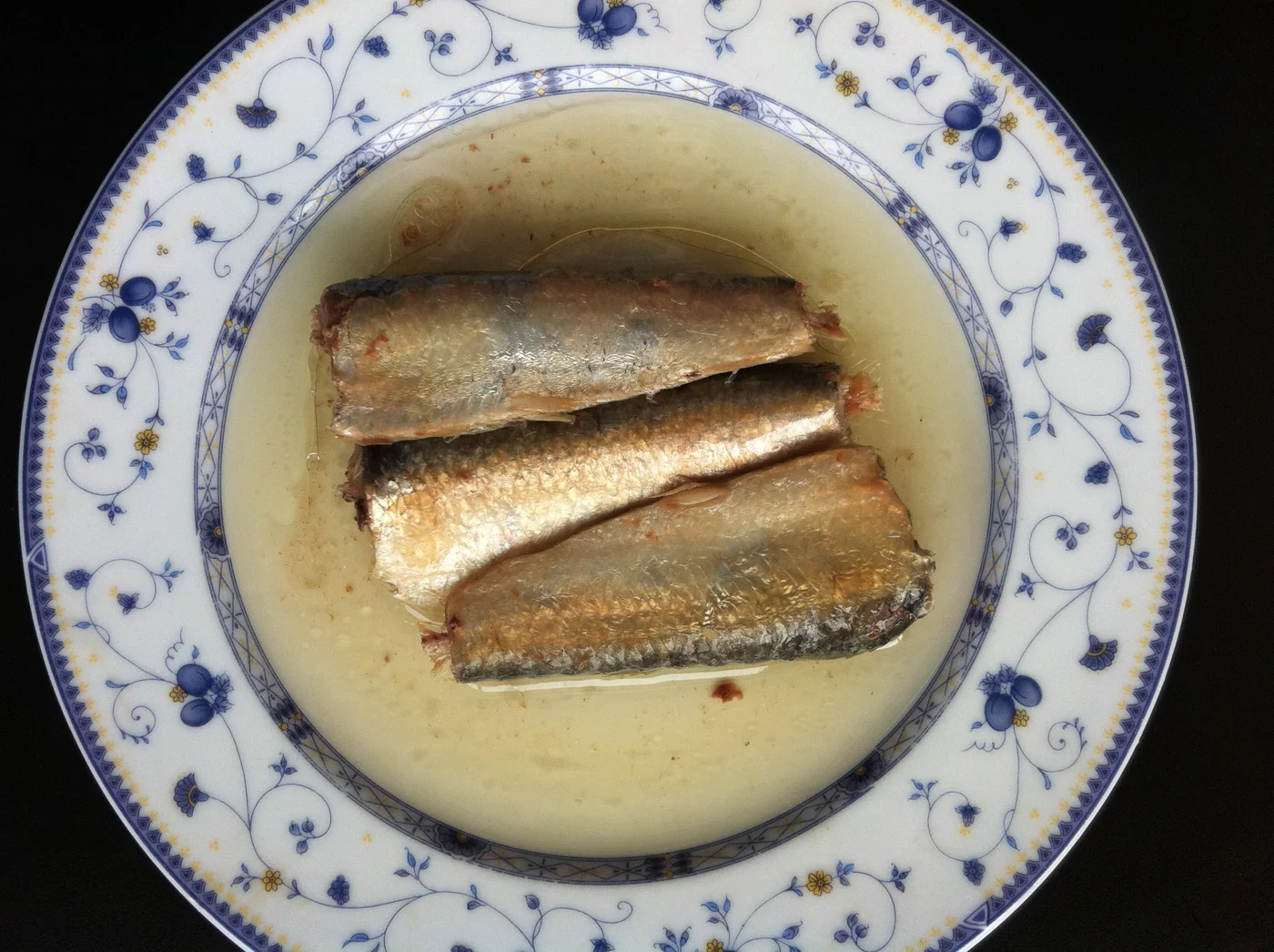
Canned Sardines in Vegetable Oil
Vegetable-oil sardines use an oil-based medium. Our company has confirmed this product in its exhibition information, but there is currently no dedicated product detail page for it. Ask which oil is proposed and obtain the full ingredient declaration. Do not substitute olive, sunflower or soybean oil without agreement. The reference photograph shows an archived product presentation, not a guarantee of the fish count, can format or specification of a future order.
A practical comparison
| Buying point | Tomato sauce | Vegetable oil |
|---|---|---|
| Packing medium | Tomato-based sauce; confirm the recipe. | Vegetable oil; confirm the oil type and recipe. |
| Product presentation | Confirm fish pieces, preparation and packing. | Confirm fish form and preparation independently. |
| Meal or serving use | May accompany rice, bread or a cooked dish. | May suit serving or cooking where an oil-based medium is wanted. |
| Ingredients to confirm | Fish, sauce components and any other declared ingredients. | Fish, specified oil and any other declared ingredients. |
| Net and drained weights | Confirm each weight and the applicable method for this pack. | Agree the requirements for this medium; do not copy the tomato-sauce row. |
| Label review | Product name, recipe declarations and destination requirements. | Accurate medium/oil wording and destination requirements. |
| Quotation details | Use the selected recipe, can, carton and quantity. | Quote the agreed oil recipe and its own complete pack configuration. |
Choose for your purchasing brief
For a retail assortment, decide how the product will sit within the range: its medium, presentation, label and intended use. For wholesale canned sardines, give distributors a consistent specification they can identify and reorder. Compare a tomato-based option with an oil-based option against the same purchasing questions, rather than assuming a regional preference or using the medium as a quality grade.
For a private label line, review the product name, recipe and artwork together. For meal applications, consider whether the medium will be used with the fish or handled separately in preparation. These are possible uses, not evidence of consumer demand in a particular country. Samples and your intended channel are more useful than broad claims about which product sells best.
Specifications behind a comparable quote
Confirm the fish identity or applicable species information, form and preparation first. Record the packing medium and full proposed recipe. Then identify net weight, any applicable drained weight and the agreed method for confirming it. Net weight covers the contents; gross weight includes packaging and needs a stated basis, such as one can or one carton. Can capacity in millilitres is not the food’s gram weight.
Next, confirm can dimensions and shape, lid format, cans per carton, label and outer-carton requirements. Include quantity and unit, destination market and port. A drained-weight reference for tomato sauce does not automatically apply to vegetable oil, even at the same net weight. Codex labelling guidance distinguishes content declarations and their conditions; review the applicable product and destination requirements with the responsible importer.
Review samples and supporting records
Identify each sample by product, medium and the specification it represents. Compare the visible fish form, integrity and medium condition against your agreed brief. Ask how the sample relates to the proposed commercial product, and record the observations that matter for approval. Photographs help communicate appearance; they cannot establish measured weight, nutritional composition, safety or a test result.
Obtain the actual ingredient and allergen declarations and the relevant product, manufacturing-site and test documents. Check document scope, dates and product association. Do not treat an unrelated certificate as proof for the selected sardines. Confirm sample availability, preparation, charges and shipment arrangements separately; this guide does not establish a free-sample offer or a fixed sampling schedule.
Private label and packing
For private label canned sardines, send the brand name, label languages, exact product name and medium, selected pack format and target market. Include existing artwork, carton requirements and the declarations you need reviewed. Raysun’s tomato-sauce sardine listing supports discussing client-brand requirements. For the oil version, confirm product feasibility and service scope separately before treating the same arrangements as agreed.
RAYSUN artwork is a starting point for a packaging discussion, not an automatically approved retail label for every destination. Agree who supplies and approves the final declarations. Our confirmed MOQ is 1 × 20' FCL. Mixed products, samples, production timing and container loading require their own confirmation; the MOQ does not promise arbitrary mixed loading or a fixed number of cartons.
Can Formats, Labels and Container Loading: A Buyer’s Checklist
Buyer FAQ
What is the difference between tomato sauce and vegetable oil sardines?
The first difference is the packing medium. Fish presentation, complete recipe and pack requirements must also be compared; neither name establishes a universal quality or price advantage.
Does vegetable oil mean a specific type of oil?
No. Confirm the actual oil in the proposed recipe. Olive, sunflower or soybean oil should not be assumed from a general vegetable-oil description.
Can both products use the same net and drained weight specification?
Only if it is explicitly confirmed for both products and media. The same net weight does not by itself establish the same drained weight or method.
What should I provide for a private label enquiry?
Send the brand, label languages, product and medium, pack format, target market and artwork or carton requirements. Confirm the support and approval responsibilities for the selected product.
What information is needed for a comparable quotation?
Use a complete brief: fish identity and form, medium/recipe, weights, can and lid, carton packing, quantity, destination and label requirements. Ask for written confirmation of the quoted specification.
Copy your RFQ checklist
Copy this checklist and complete the fields you know. Mark unresolved points for discussion instead of substituting another product’s specification.
Product:
Packing medium / oil type:
Product form:
Net weight:
Drained weight, if applicable:
Can and lid format:
Cans per carton:
Order quantity:
Destination country / port:
Brand / private label:
Additional requirements:
Discuss your sardine requirements
Explore the tomato-sauce sardine product or use the accurately named vegetable-oil enquiry below. Send the recipe and pack you want compared, with the market and quantity. We can then discuss the selected requirements and the information still needed for a meaningful quotation.
Sources and product records
Product information and MOQ follow the company’s confirmed records. Codex references support terminology and label review; they do not certify Raysun products or replace destination requirements. Sources reviewed 20 November 2026.